
Pre-purchase Property Inspections
Melbourne
Inspections By A Licensed Building Expert
Don’t make a costly mistake
Building and pest issues can cost big bucks to fix. With a PPI Building Inspection, you’ll know exactly what you’re in for, before you sign on the dotted line.
When you’re armed with this information, you can make a sound decision about whether or not it is a good buy or a bad buy. And, if there are issues, you can use the report to help you negotiate a lower purchase price.
A PPI Building Inspection will tell you
Know what you’re buying
The property you’re looking at could look fine on the surface, but have a long list of defects and issues that you can’t see. Defects and issues that could potentially cost you tens of thousands of dollars to fix. So it makes sense to get a PPI building inspection and building report and know exactly what you’re buying, before you buy.
Preparing to make an offer, or getting ready to bid at auction
Generally the experts agree that the best thing you can do before you buy is to get a Pre-Purchase Building and Pest Inspection. It will tell you exactly what is going on with the property, so you know if it is going to be a smart investment or a money pit. If there are issues present, the report can also give you a solid basis to negotiate a lower purchase price.
Melbourne building inspections
It’s a small price to pay when you consider it could save you tens, even hundreds, of thousands of dollars in the long run. Not only can our building reports save you the stress and financial burden of buying a money pit, they can also give you the information you need to negotiate a lower purchase price.
Pre-Purchase inspection options
Our Melbourne Building Inspections and Reports are thorough and comprehensive.
Building only inspection
A building inspection involves checking every aspect of the property to identify any major or minor defects, leaks, waterproofing issues and any repairs that are likely to be required.
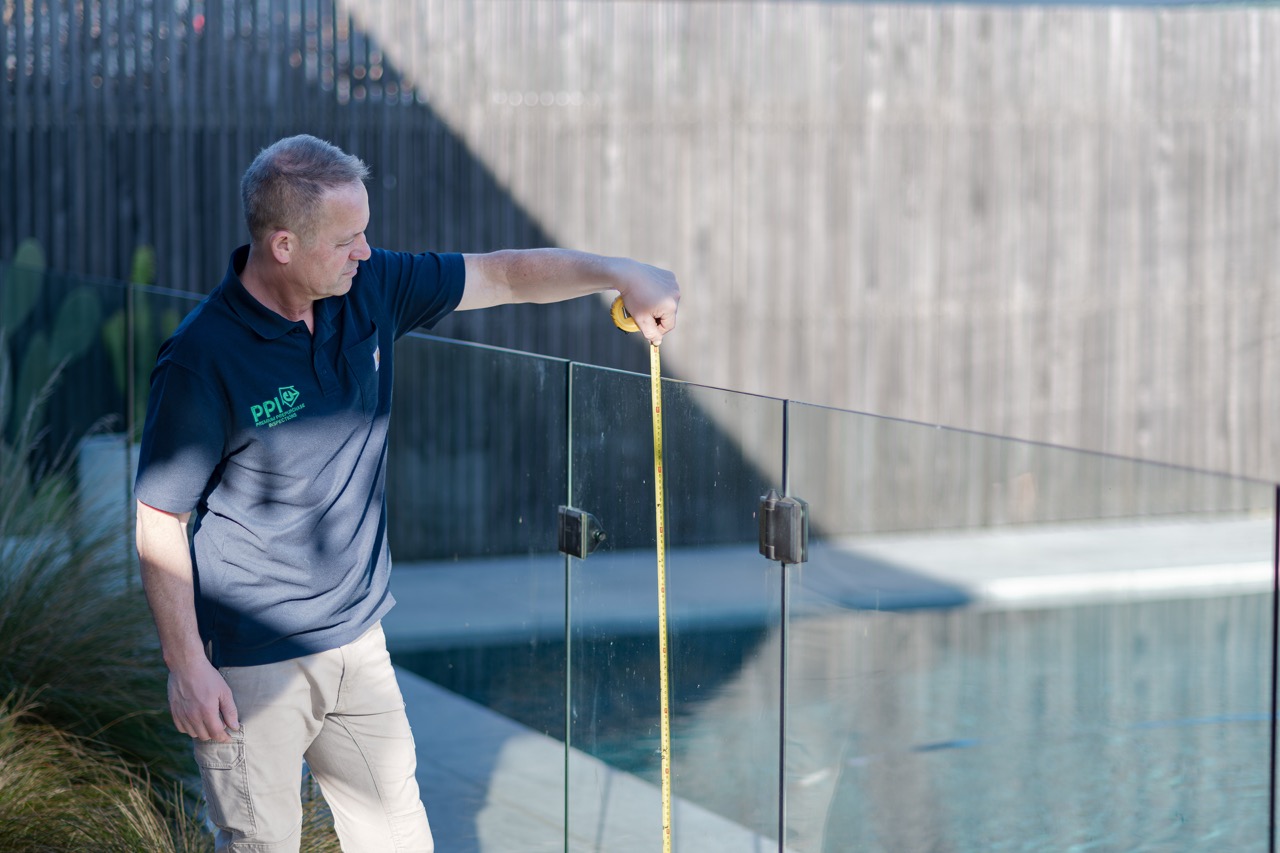
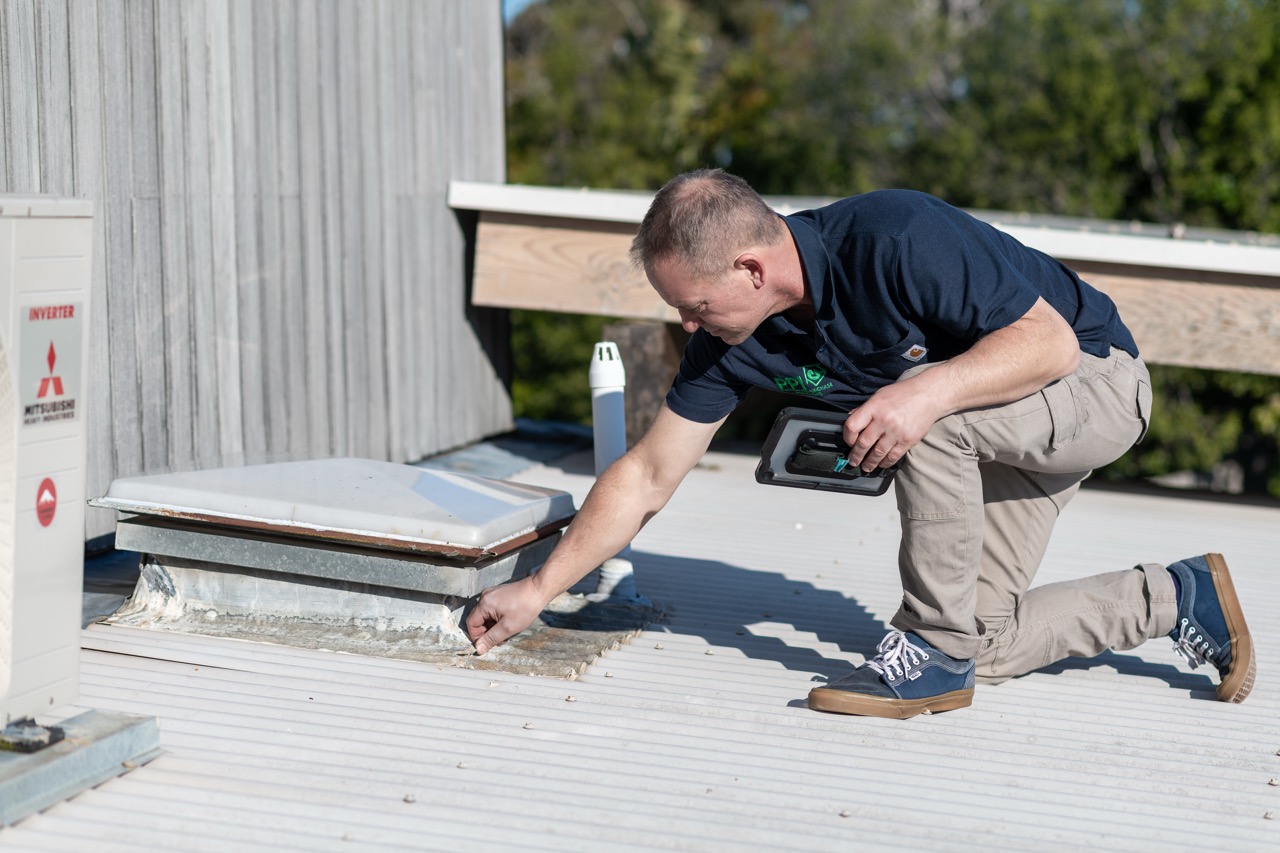
PPI’s Melbourne building inspectors take the time to carefully inspect the interior and exterior of the property, including the roof, building, sub-floor structure, decks and verandahs, fences, flooring, stairs, windows, carport and garage, plumbing, structural soundness and also check for any non-compliant building work.
We then provide you with a comprehensive report that details any issues or concerns, along with the steps and likely costs to rectify them.
Building and pest inspection
A building and pest inspection not only looks at the structural soundness of the building, it also identifies any pest issues, past or present.
Pests like termites, wood borers, mould and fungus’ can cause thousands of dollars of damage to your property and put your health and safety at risk. And unfortunately, many Melbourne suburbs are prone to these things.
In most cases the damage and risks caused by pests can’t be seen, so as a Melbourne property owner a pest inspection is a smart thing to have done before you sell.
Your building inspector will provide you with a detailed report identifying any past, current or potential pest issues for the property.
Our Investigation Will Answer
what
The issues, defects, problems and potential problems are.
Where
The problems exist and the extent of them.
HOW
The defects and problems should be fixed and what it will cost to fix them.
WHY
It is a problem, what’s caused it and the issues it could create.
Book your house inspection with Premium Pre Purchase Inspections today!
What we look at during a building inspection
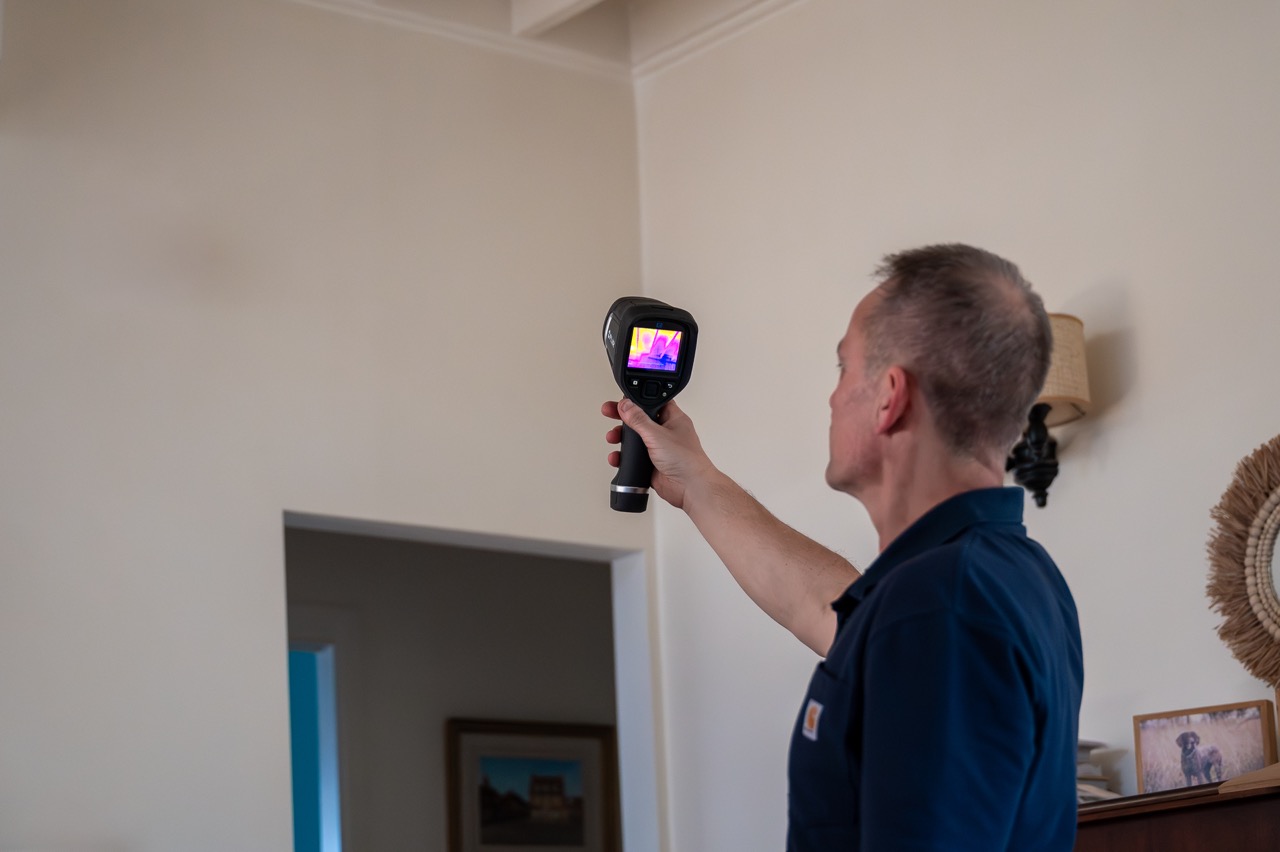
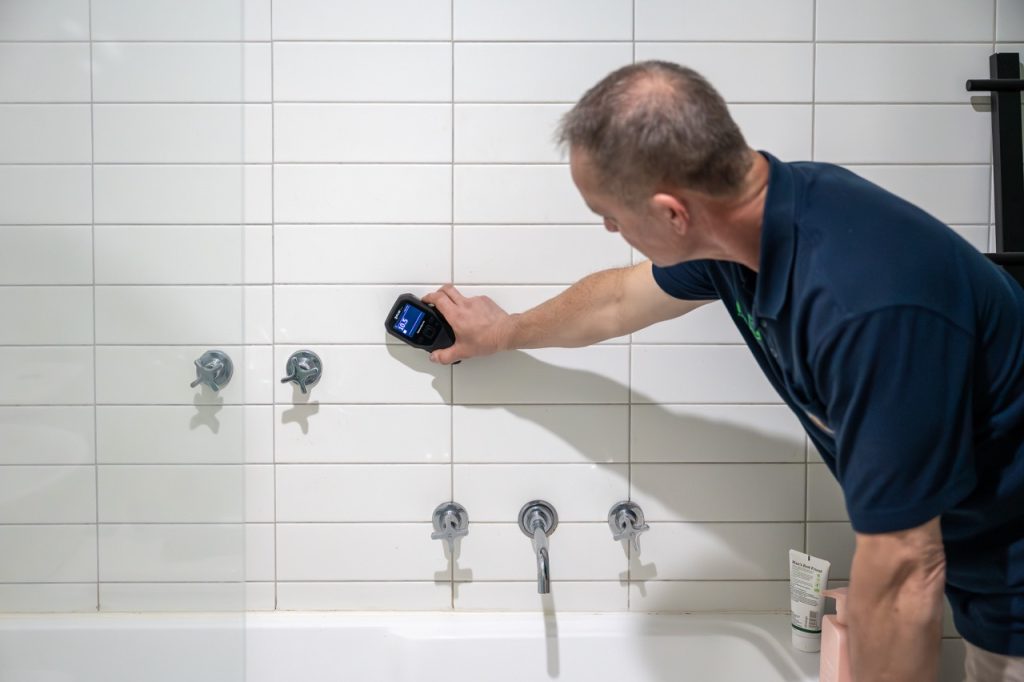
Unlike many other building inspectors, we go below the surface to thoroughly check everything. We get under the floor, we get up in the roof, we use infrared camera’s and moisture meters, and meticulously inspect every aspect of the property.
Your building inspection report
Within 24 hours of your building inspection we’ll send you a comprehensive written report that goes through all the findings of the inspection. It will identify any minor or major defects, structural issues, problems and potential problems. It also includes photos and clear explanations, so you have a full picture of the property before the sale is finalized.
These are the kind of issues we come across everyday when we perform building inspections in Melbourne
Areas we service
From here the best thing you can do is pick up the phone and call us straight away M# 0412515498